When Low Back Pain Keeps Returning: What Actually Helps
A practical look at recurring low back pain, why complete rest often backfires, and how graded movement can help you return to normal life with more confidence.
Low back pain has a frustrating habit of returning just when you think it has finally gone. One week you are moving normally, the next you bend to lift a bag, sit through a long drive, or wake up after a poor night of sleep and the familiar ache is back.
That pattern is common. The World Health Organization estimates that low back pain affected about 619 million people in 2020 and remains the leading cause of disability worldwide. The useful question is not only, “How do I make this pain disappear today?” It is also, “How do I make my back more capable of handling normal life tomorrow?”
Recurring pain does not always mean recurring damage
Pain can become more sensitive after an injury or a long period of symptoms. A flare after sitting in traffic, carrying groceries, returning to the gym, or spending a weekend doing housework does not automatically mean a structure has been newly damaged. That distinction matters because fear can lead people to stop moving altogether.
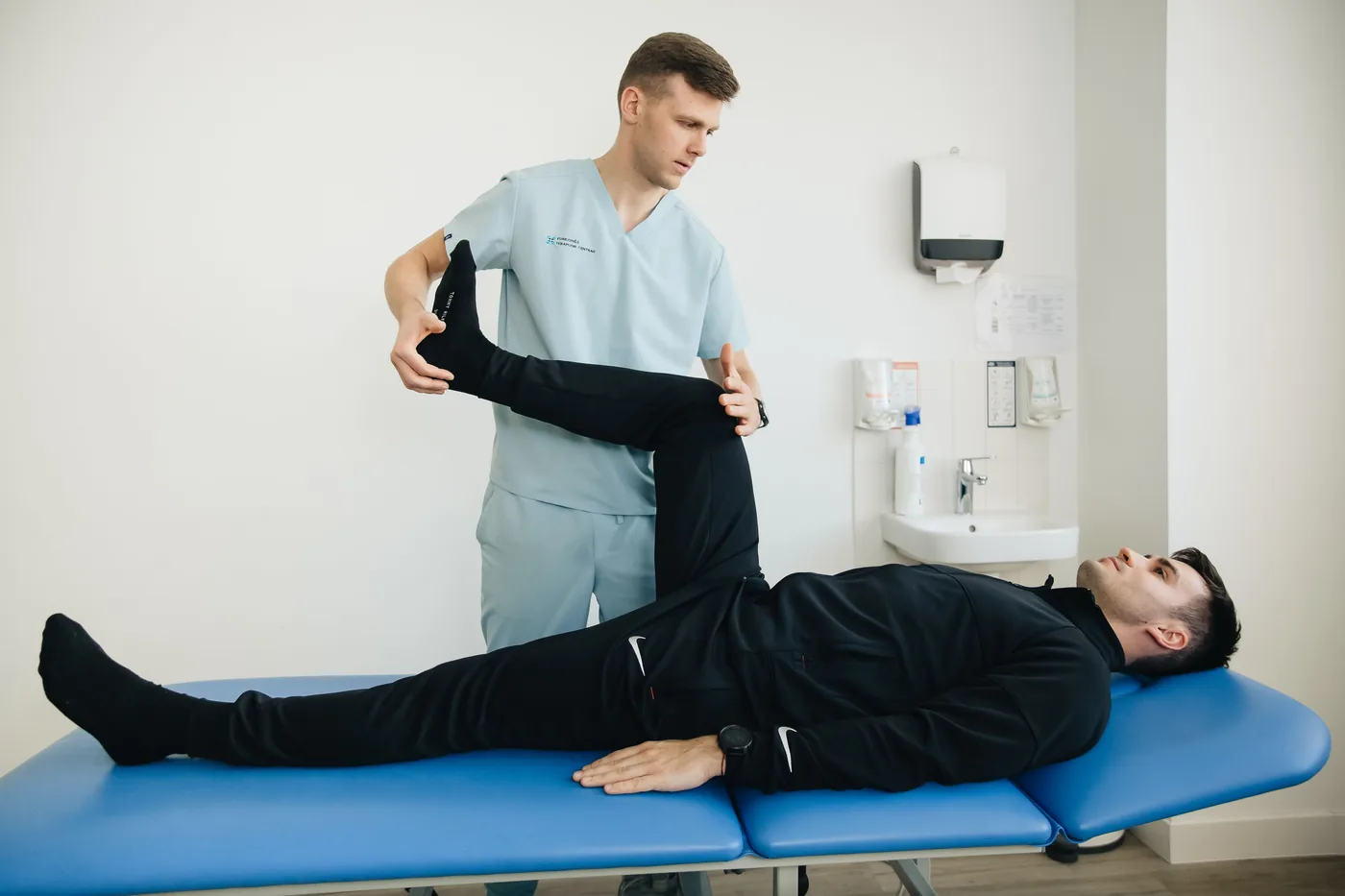
For most non-specific low back pain, current guidance supports staying active and using exercise or physical therapy to improve strength, movement and participation in normal activities. Long periods of bed rest generally do not build the capacity you need for daily life.
Start with the movements your life actually requires
A useful rehabilitation plan is rarely a collection of random exercises. It should connect to what is difficult for you. If standing from a low chair is uncomfortable, your programme may include controlled sit-to-stands. If walking for 20 minutes causes a flare, your starting dose may be shorter walks repeated more often. If lifting at work is the problem, the plan should eventually include progressively heavier lifting rather than avoiding lifting forever.
The aim is graded exposure: enough challenge to create adaptation, but not so much that every session leaves you unable to function the next day.
Use the 24-hour response, not only the pain during exercise
Some discomfort during rehabilitation can be acceptable, depending on the condition and your clinician’s advice. A more useful measure is what happens afterwards. If symptoms settle back toward baseline within the same day or by the next morning, the dose may be reasonable. If you are significantly worse for several days, the programme may need to be scaled back.
Build a simple baseline before chasing intensity
- Walk or move regularly instead of saving all activity for one “exercise day”.
- Practice two or three strength movements you can repeat consistently.
- Change position during long periods of sitting rather than searching for one perfect posture.
- Increase one variable at a time: repetitions, resistance, walking time or range.
A good plan should make your world gradually bigger. You should be able to sit longer, walk farther, lift with less apprehension and return to work or hobbies with more confidence.
Know when back pain needs urgent assessment
Seek urgent medical care for back pain accompanied by new loss of bladder or bowel control, numbness around the saddle area, rapidly worsening leg weakness, major trauma, or severe systemic illness symptoms. Persistent pain that is not improving also deserves a proper assessment rather than endless self-treatment.
Bottom line: recurring back pain is often managed best by rebuilding capacity, not by repeatedly waiting for the back to feel perfect before moving again.
Further reading
This article is general health education, not a diagnosis or a substitute for an individual clinical assessment. Seek urgent medical care for severe or rapidly worsening symptoms, major trauma, new weakness or numbness, loss of bladder or bowel control, chest pain, breathing difficulty, or other emergency symptoms.