After Surgery: What a Good Rehabilitation Plan Should Feel Like
Recovery is more than waiting for a wound to heal. Here is how a structured rehabilitation plan usually progresses from protection to normal function.
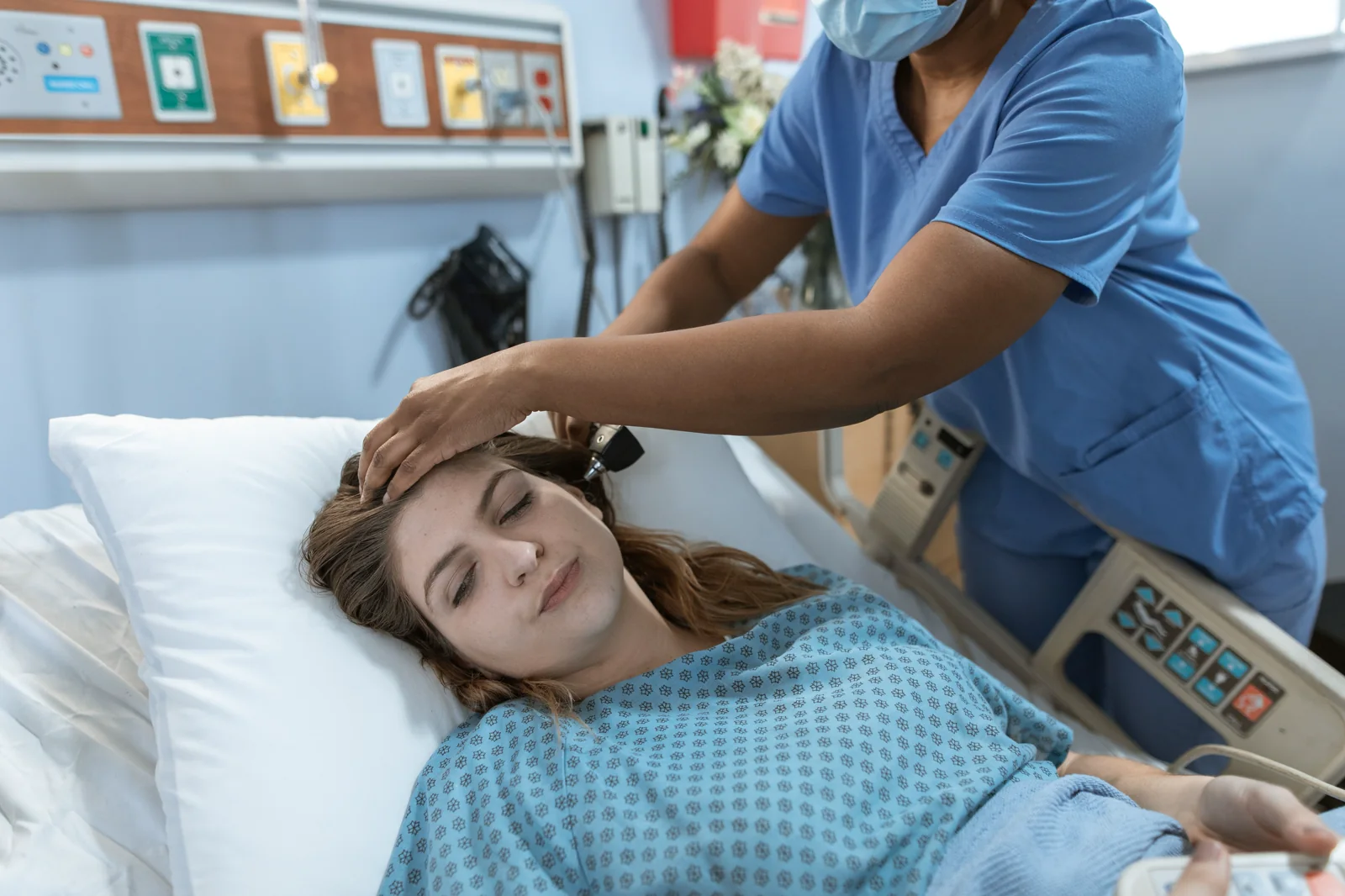
After surgery, it is normal to feel protective of the operated area. You may have swelling, weakness, stiffness and uncertainty about what is safe. A good rehabilitation plan respects tissue healing while also preventing unnecessary loss of movement and confidence.
The exact timeline depends on the operation, your surgeon’s instructions, your health and your response to rehabilitation. There is no universal “week three exercise” that fits every procedure.
Phase one: protect, settle and move what is safe
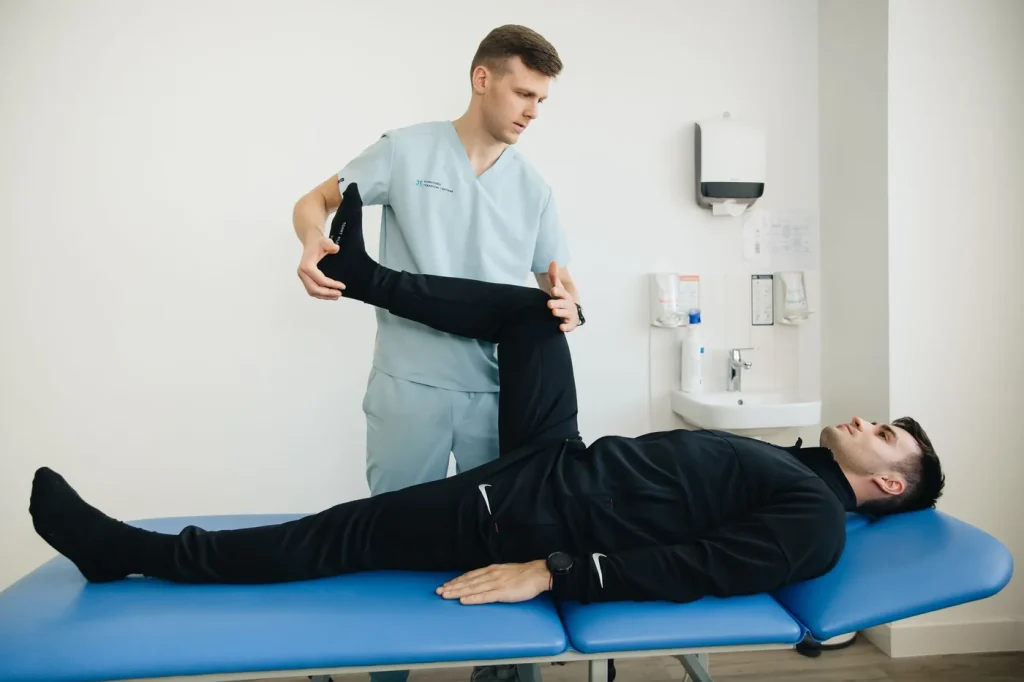
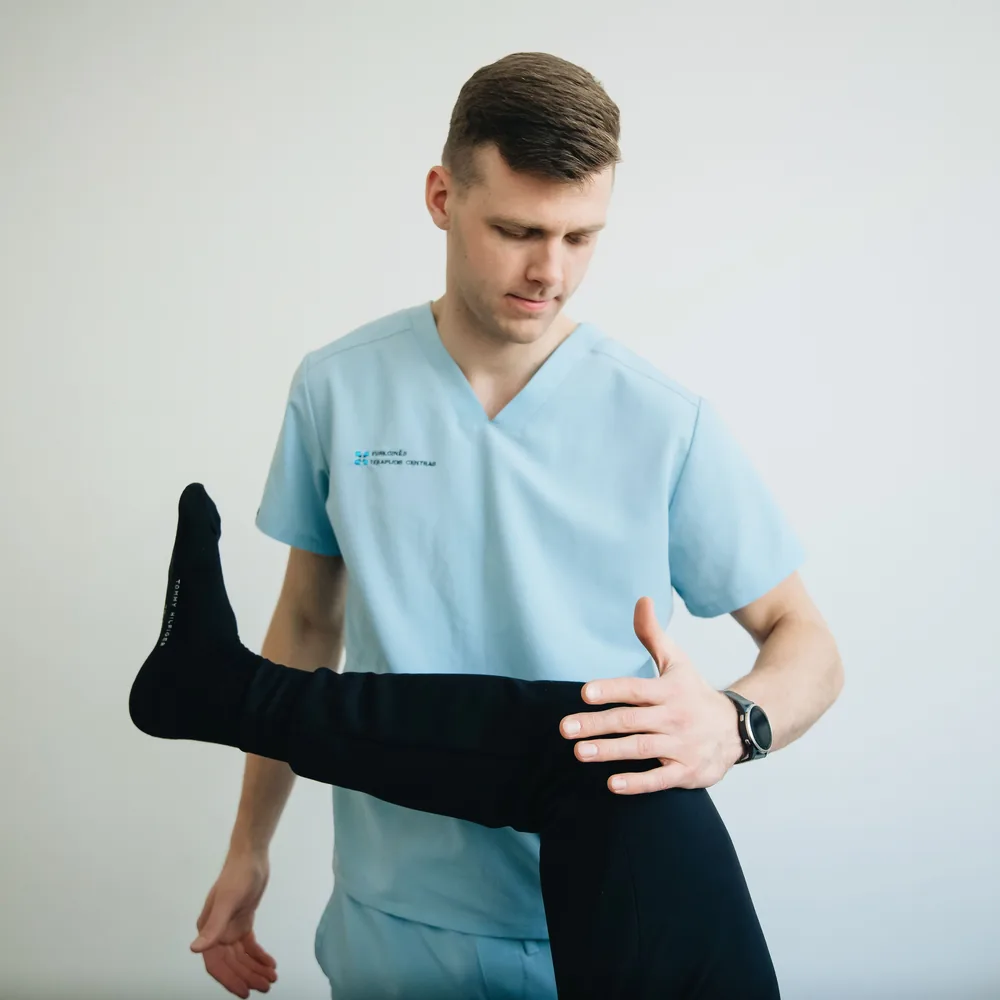
Early rehabilitation often focuses on swelling management, safe transfers, walking or mobility aids, gentle range of motion and basic muscle activation. The goal is not to prove how tough you are. It is to create a stable base for the next stage.
Phase two: restore useful movement
As healing progresses, the programme should become more functional. Range of motion is connected to real tasks. Strength work becomes more challenging. Walking, stairs, balance and daily activities are reintroduced based on the procedure and your goals.
This is where people sometimes get stuck. Pain has reduced, so formal rehabilitation stops, but strength and confidence have not yet returned. Feeling “better” is not always the same as being ready for normal work or sport.
Phase three: prepare for the life you are returning to
A person returning to a desk job needs a different final phase from a nurse who stands for long shifts, a parent who lifts a child, or an athlete who changes direction at speed. Rehabilitation should eventually resemble the demands of the life you want back.
Progress should be measurable
Useful markers can include range of motion, walking distance, step control, repetitions, resistance, balance time, grip strength, functional questionnaires or task-specific tests. The point is not to turn recovery into an exam. It is to make decisions from more than guesswork.
Communicate when something changes
Increasing redness, unusual wound drainage, fever, sudden calf swelling, new shortness of breath, or a dramatic and unexplained increase in pain should be reported promptly to the appropriate medical team. Rehabilitation works best when the surgeon, physician and rehabilitation team share important information.
Bottom line: good post-operative rehabilitation moves from protection to capacity. The final goal is not simply a healed surgical site. It is a person who can use the body part confidently in daily life again.
Your home routine should be clear enough to follow without guessing
After surgery, people often receive several exercises at once and then wonder which ones matter most. A good home plan should tell you what to do, how often to do it, what level of discomfort is acceptable for your procedure, and what signs mean you should stop and contact the clinical team.
It should also change as you improve. If the exact same programme is still being performed months later with no increase in range, repetitions, resistance, walking distance or task difficulty, it is reasonable to ask what the next progression should be.
Recovery speed is not a competition
Two people can have the same operation and progress at different rates because of age, previous activity, other health conditions, surgical details, pain response, sleep, home support and the job they need to return to. Comparing your third week with someone else’s third week can create unnecessary pressure.
Use your own markers. Can you get in and out of bed more easily? Are you using less support to walk? Is swelling settling more quickly? Can you complete the prescribed strength work with better control? Those are meaningful signs of progress even if the final goal is still some distance away.
Further reading
This article is general health education, not a diagnosis or a substitute for an individual clinical assessment. Seek urgent medical care for severe or rapidly worsening symptoms, major trauma, new weakness or numbness, loss of bladder or bowel control, chest pain, breathing difficulty, or other emergency symptoms.