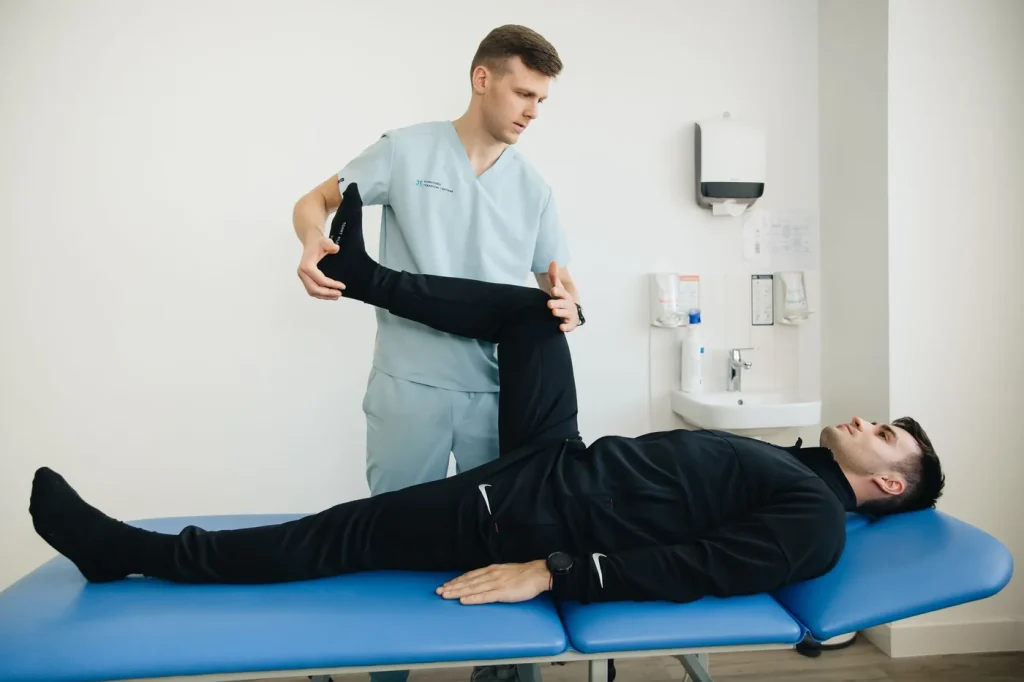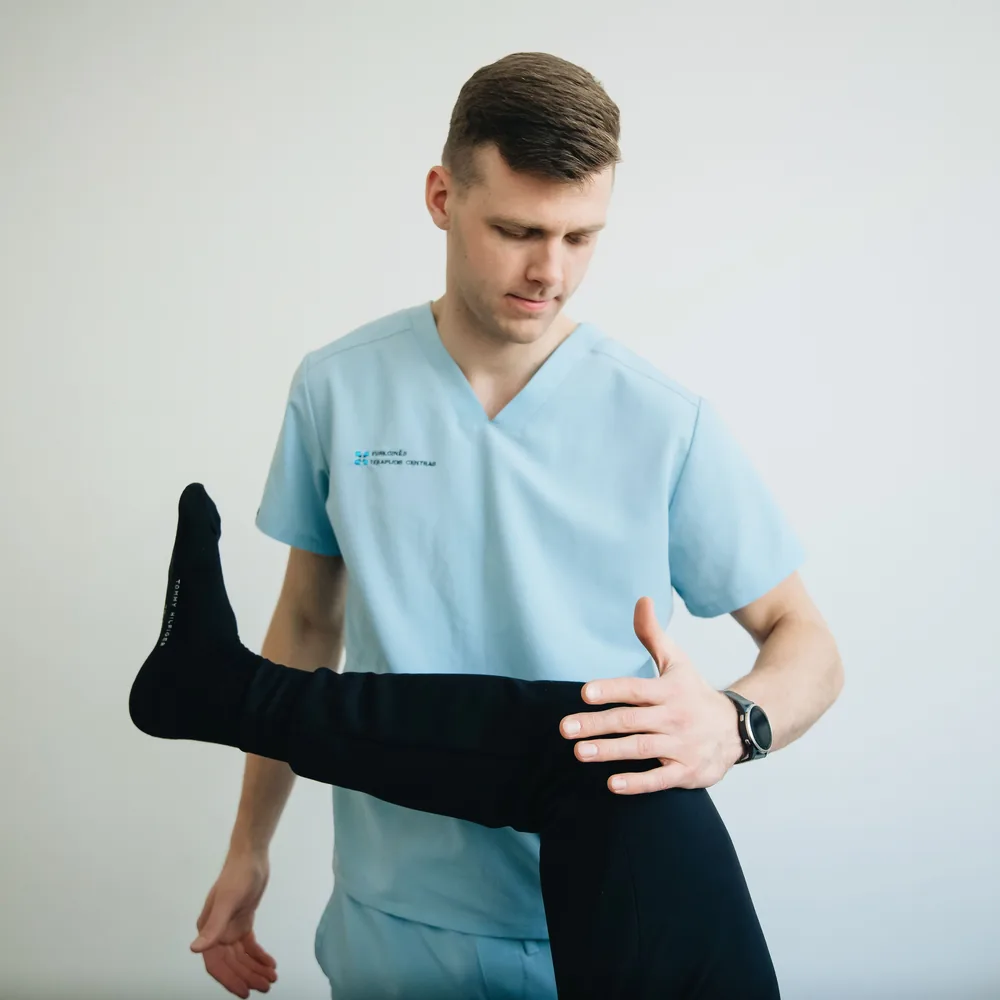
What Rehabilitation Really Means: Beyond Pain Relief
The real target of rehabilitation is function: being able to work, walk, care for yourself, exercise and participate in the parts of life that matter.
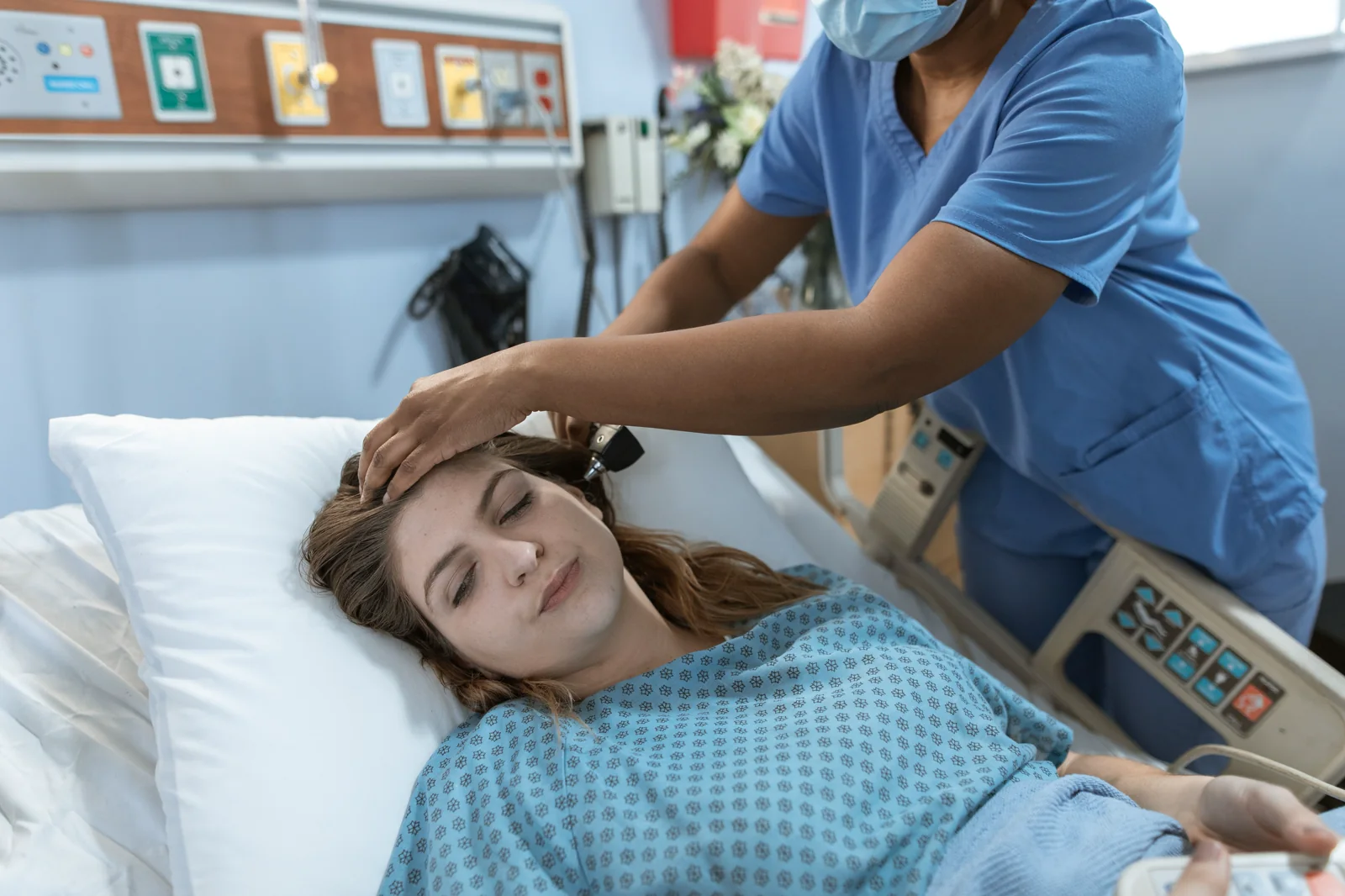
Pain relief matters, but rehabilitation has a wider job. The World Health Organization defines rehabilitation around optimizing function and reducing disability. In practical terms, that means helping someone do more of the things life requires.
Globally, an estimated 2.4 billion people live with a health condition that may benefit from rehabilitation. The need includes people recovering after injury or surgery, living with chronic conditions, ageing with mobility changes, or rebuilding function after neurological illness.
Function is personal
For one person, success means walking to the market without stopping. For another, it means returning to work, climbing stairs, holding a child, driving again or playing sport. Two people with the same diagnosis can need very different programmes.
Assessment should lead to a plan
A useful assessment identifies what is limited, what is contributing to the limitation, what is safe to change and what matters to the person. The treatment plan then targets those findings instead of applying the same routine to everyone.
Rehabilitation is active
Hands-on treatment or symptom-relieving modalities can be useful in selected situations, but long-term function usually requires the patient to participate. Practice, exercise, education, pacing and gradual exposure build the capacity that daily life demands.
Independence is a meaningful outcome
The best rehabilitation programmes try to reduce dependence on treatment over time. That does not mean abandoning support. It means giving the person the skills and confidence to manage more independently.
Bottom line: rehabilitation is not simply a place you go when something hurts. It is a process for rebuilding the ability to participate in life.
What a useful rehabilitation conversation sounds like
Instead of only asking, “Where does it hurt?”, a rehabilitation assessment should also ask what the problem is stopping you from doing. Can you work a full shift? Can you get to the bathroom safely? Can you lift your child? Can you return to training? Can you sleep in a comfortable position?
Those answers change the plan. A person who needs to return to manual work may require progressive lifting and endurance. Someone recovering after stroke may need repeated transfer and walking practice. An older adult worried about falling may need strength, balance and home-safety strategies.
Treatment should gradually hand control back to you
Appointments can provide assessment, guidance and progression, but rehabilitation becomes most useful when the person understands what they can do between visits. You should know the purpose of the key exercises, what response is expected, how to progress them, and when a symptom deserves review.
That is why a successful discharge should not feel like support has suddenly disappeared. It should feel like you have a clearer plan, more physical capacity and more confidence managing the next stage yourself.
Further reading
This article is general health education, not a diagnosis or a substitute for an individual clinical assessment. Seek urgent medical care for severe or rapidly worsening symptoms, major trauma, new weakness or numbness, loss of bladder or bowel control, chest pain, breathing difficulty, or other emergency symptoms.