Stroke Recovery at Home: Making Everyday Movement Part of Rehabilitation
How repetition, safe practice and meaningful daily tasks can support mobility after stroke without turning the home into a clinic.
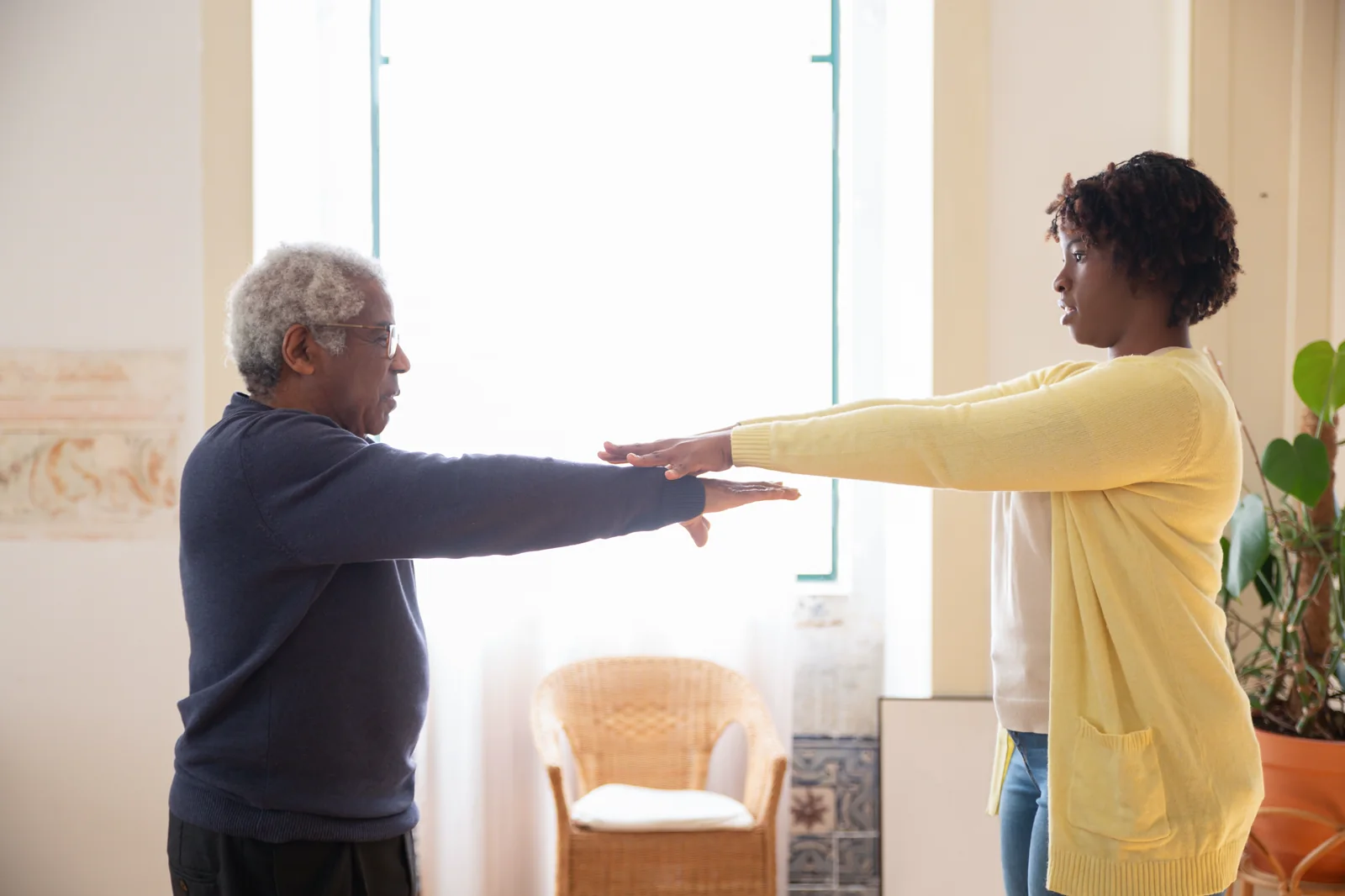
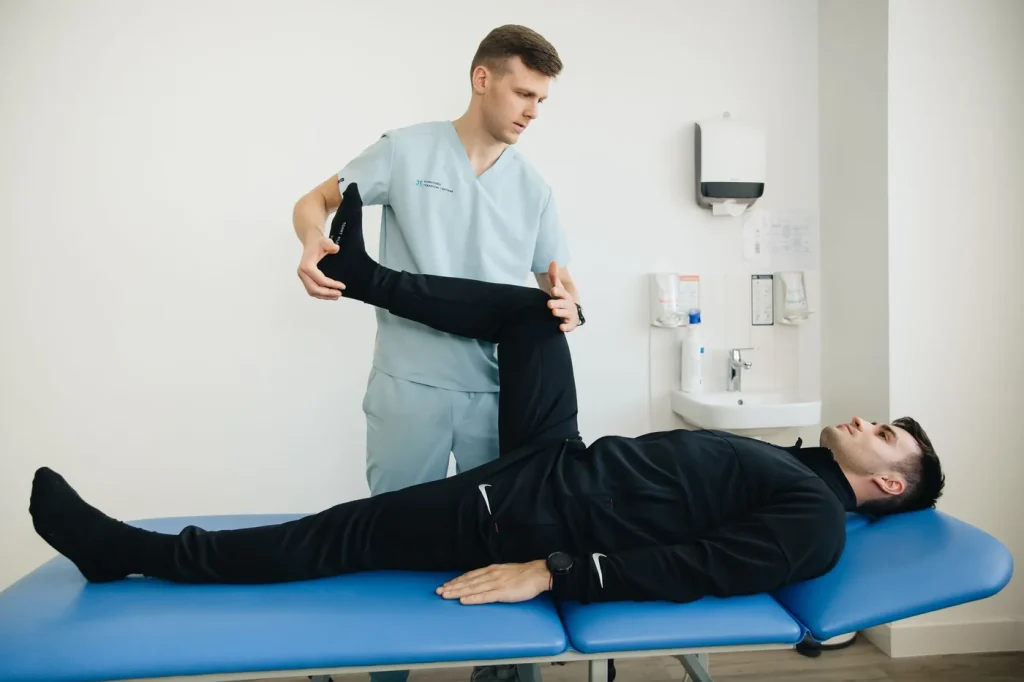
Stroke rehabilitation is not limited to the minutes spent with a therapist. Recovery also happens through repeated practice across the rest of the day. The challenge is to make that practice safe, purposeful and realistic for the person and family.
WHO describes rehabilitation as care that helps people regain, maintain or improve functioning after illness or injury. After stroke, that can mean relearning transfers, walking, reaching, balance, dressing and other activities that make independence possible.
Practice tasks that matter
Repetition is easier to sustain when it is attached to a meaningful goal. Instead of only doing abstract movements, a rehabilitation plan may include standing up from the chair used at home, reaching toward objects on a table, walking the route to the bathroom, or practicing a safe step at the entrance.
Quality matters as much as quantity
Doing more repetitions with increasingly poor control is not always helpful. Fatigue after stroke can change movement quality and safety. Shorter practice periods spread through the day may be more useful than one exhausting session.
Make the environment support the person
- Keep frequently used routes clear of loose objects and unstable rugs.
- Use prescribed walking aids rather than abandoning them too early.
- Place important objects where reaching is challenging but safe.
- Allow enough time so the person can attempt tasks instead of being rushed.
Family support is valuable, but doing every task for the person can unintentionally remove opportunities to practice. The rehabilitation team can help families identify which activities should be assisted and which should be encouraged independently.
Recovery is rarely a straight line
Some days movement will feel easier than others. Sleep, illness, mood, pain, medication changes and fatigue can all affect performance. A difficult day does not erase previous progress.
Safety comes first
Any new stroke symptoms such as sudden facial weakness, arm weakness, speech difficulty, severe sudden headache or acute loss of balance require emergency medical attention. Do not treat new neurological symptoms as a normal rehabilitation fluctuation.
Bottom line: home rehabilitation works best when everyday life becomes part of the programme. Repeated, safe and meaningful practice gives the nervous system more opportunities to relearn useful movement.
Turn ordinary routines into repeatable practice
Home life contains useful repetitions that do not feel like a formal exercise session. Standing up for meals, transferring to a chair, reaching for a cup, walking a short indoor route, dressing and washing can all become part of rehabilitation when the therapist has shown the person and family how to do them safely.
The key is not to turn every moment into therapy. Fatigue and frustration matter. Choose a few important tasks, make the setup safe, and allow enough time for the person to participate. A rushed helper may finish the task faster, but the person recovering from stroke loses a valuable practice opportunity.
Track function, not only movement quality
Families sometimes wait for movement to look completely normal before recognising progress. In reality, meaningful gains may appear first as needing less help to stand, walking farther with the same aid, using the affected hand more during a task, or recovering faster after activity.
Write down one or two functional goals and review them every few weeks with the rehabilitation team. Clear goals make it easier to see whether the programme is helping with the things that actually matter at home.
Further reading
This article is general health education, not a diagnosis or a substitute for an individual clinical assessment. Seek urgent medical care for severe or rapidly worsening symptoms, major trauma, new weakness or numbness, loss of bladder or bowel control, chest pain, breathing difficulty, or other emergency symptoms.