Balance After 60: Small Habits That Protect Independence
Balance is trainable. Simple strength, walking and balance practice can make everyday movement feel safer and more confident as we age.
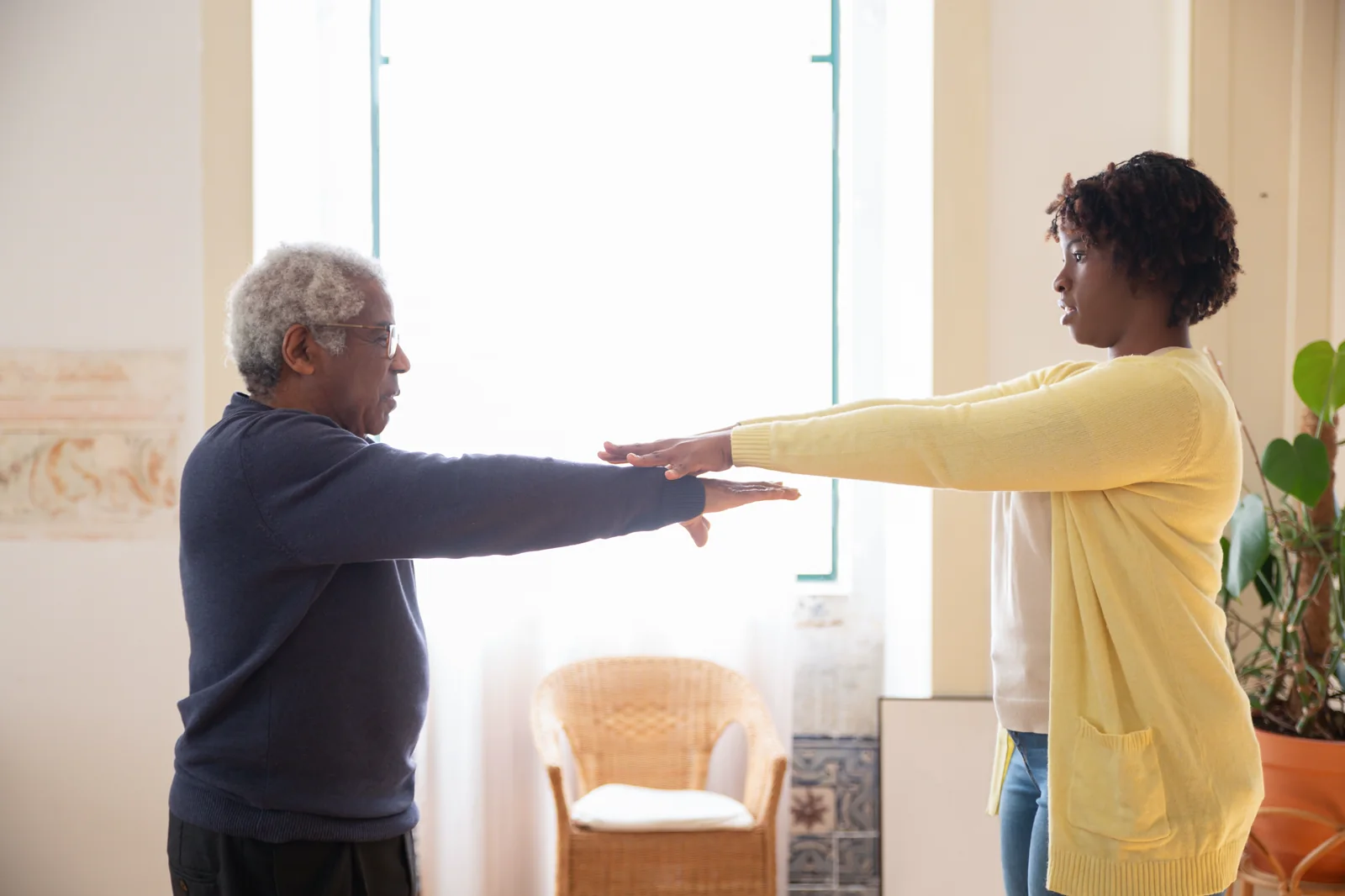
People often notice balance changes in ordinary moments: turning quickly in a narrow room, stepping off a curb, getting up at night, carrying something while walking, or standing on one leg to dress.
Balance is not one single ability. It depends on vision, sensation, the inner ear, strength, reaction time and the brain’s ability to coordinate all of them. That is why balance can improve with practice.
Train strength and balance together
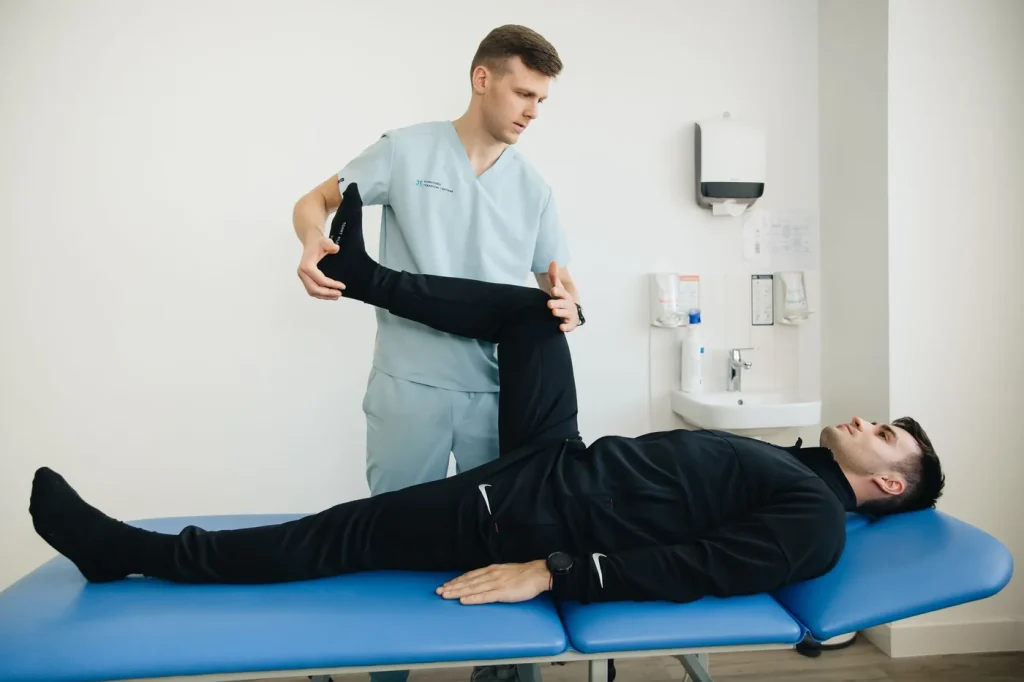
Standing balance drills can be useful, but leg strength matters too. Getting up from a chair, controlling a step and recovering from a small loss of balance all require force. Sit-to-stands, calf raises, step-ups and appropriately supported squats are examples a rehabilitation professional may use.
Make the exercise safely difficult
If an exercise is so easy that you never need to adjust, it may not create much adaptation. If it is so hard that you are constantly at risk of falling, it is not a sensible home exercise. Use a stable support nearby and progress deliberately.
WHO guidance encourages older adults with poor mobility to include balance-enhancing physical activity several days per week. General physical activity and strength training remain important as well.
Practice the situations that worry you
If turning is difficult, practice controlled turns. If stepping over objects is a concern, use safe obstacle practice. If stairs are the problem, include step control. The closer rehabilitation gets to real life, the more useful it becomes.
Check the environment too
Exercise is only one part of fall prevention. Lighting, loose rugs, footwear, vision, medications and the layout of the home can all influence safety. A clinician may recommend a broader review when falls or near-falls are recurring.
Bottom line: balance is not something you either have or lose. It is a skill supported by strength and practice, and it can be trained at any age.
Create a five-minute balance habit
Balance training does not have to begin with a long workout. A safe routine may include repeated sit-to-stands, supported heel raises, controlled stepping in different directions and brief balance holds near a stable counter. Five focused minutes performed regularly can be easier to sustain than an ambitious programme that is rarely completed.
Progress can come from using slightly less hand support, narrowing the stance, stepping farther, adding a safe head turn, or combining balance with a simple task. The progression should be challenging enough to require attention but safe enough that a loss of balance can be recovered without falling.
Near-falls count too
You do not need to wait for a serious fall before asking for help. Repeatedly catching yourself on furniture, avoiding stairs, feeling unstable when turning, or becoming afraid to walk outside are all reasonable reasons to discuss balance with a clinician.
A review may include strength, walking pattern, footwear, vision, sensation, medications and the home environment. Improving balance is often a combination of training the person and reducing avoidable hazards around them.
Further reading
This article is general health education, not a diagnosis or a substitute for an individual clinical assessment. Seek urgent medical care for severe or rapidly worsening symptoms, major trauma, new weakness or numbness, loss of bladder or bowel control, chest pain, breathing difficulty, or other emergency symptoms.