Arthritis and Exercise: How to Move Without Making Symptoms Worse
Exercise is recommended for many people with arthritis, but the dose matters. Learn how to distinguish useful challenge from a flare that needs adjustment.

When a joint hurts, avoiding movement feels logical. The problem is that long-term inactivity can reduce muscle strength, fitness and confidence, making everyday tasks even harder.
For many people with arthritis, appropriately dosed physical activity is part of management. The CDC notes that regular activity can reduce arthritis pain and improve physical function. The important word is appropriate.
Choose joint-friendly movement you will actually repeat
Walking, cycling, swimming, water exercise, light gardening, dancing and tai chi are examples of activities that can place relatively low stress on joints. You do not need access to every option. Pick the one that is practical, affordable and tolerable.
Add strength, not only cardio
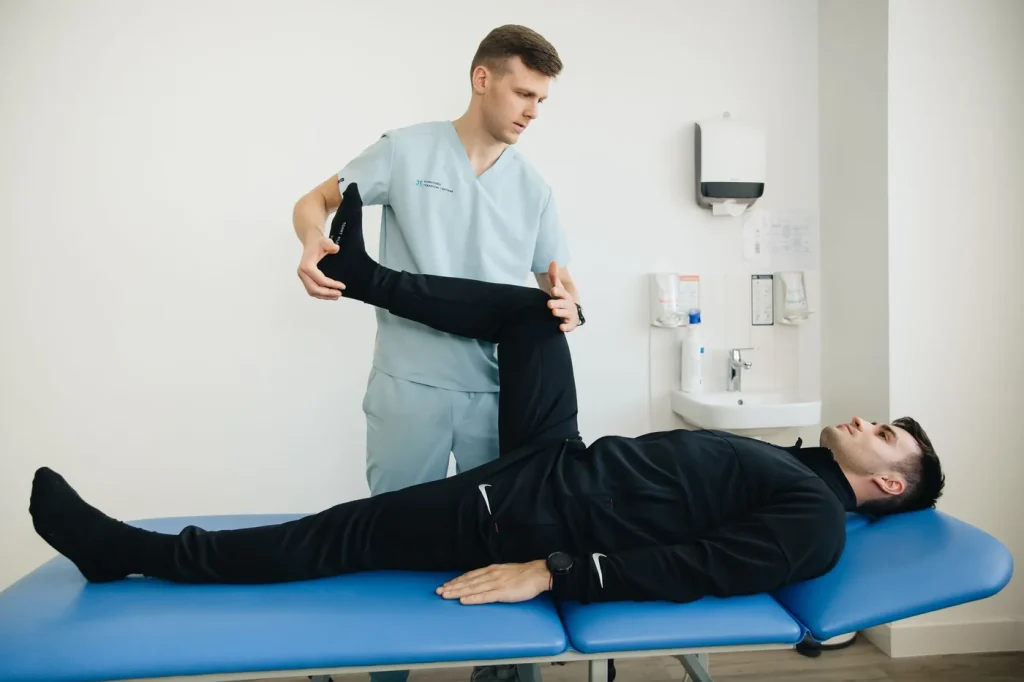
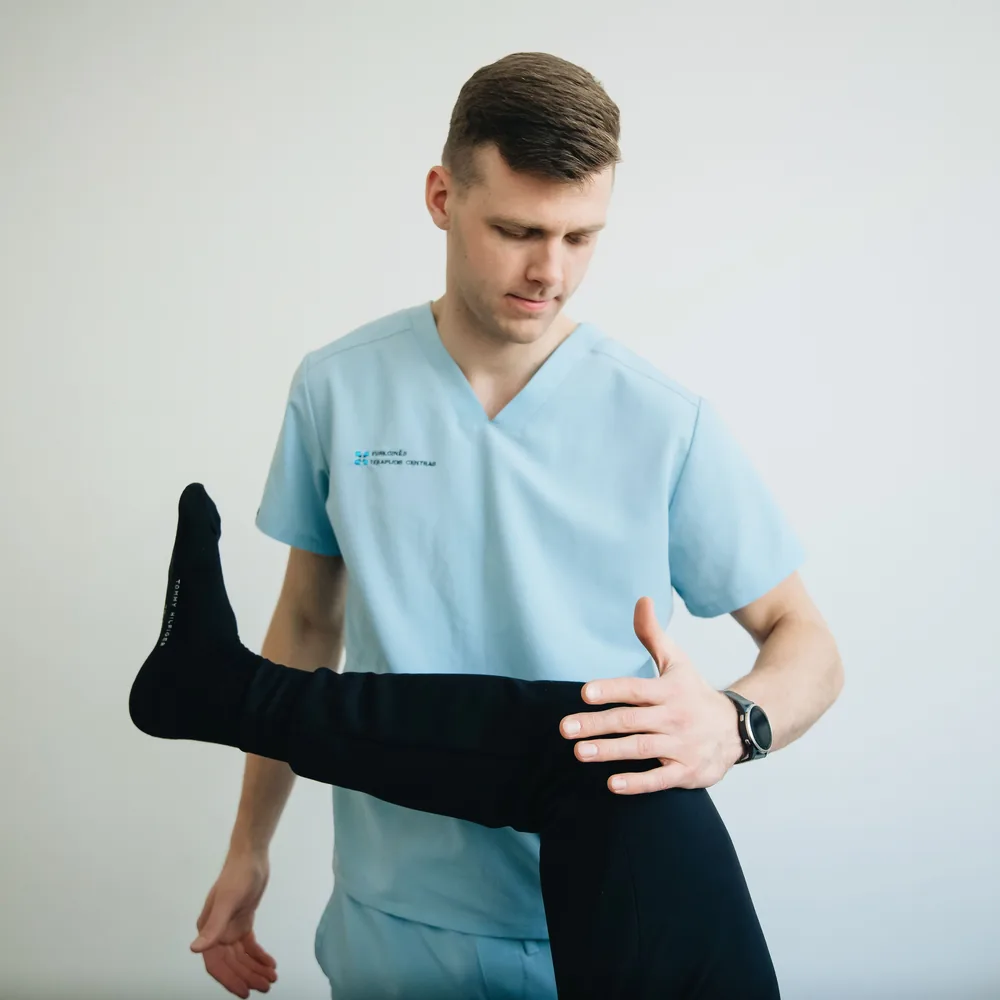
Stronger muscles can help support painful joints. For knee or hip arthritis, rehabilitation often includes progressive leg strengthening. For hand or shoulder problems, the plan may focus elsewhere. The exercises should match the affected joint and your current ability.
Use a flare plan instead of quitting
Symptoms can fluctuate. If activity causes a mild increase that settles, you may only need to maintain the same dose for longer before progressing. If pain or swelling rises sharply and remains significantly worse, reduce the load and speak with a clinician when needed.
A flare plan might mean temporarily shortening a walk, using lower resistance, reducing repetitions or switching to a less provocative activity while keeping some movement in the day.
Start below your maximum
If 20 minutes of walking is the point where symptoms consistently become difficult, do not make every session a 20-minute test. Start with a dose you can recover from and build gradually. Rehabilitation is training, not repeated failure testing.
Look for function gains
Getting up from a chair with less effort, walking to the shop more comfortably, carrying a bag, climbing steps or sleeping better after activity may matter more than a single pain score.
Bottom line: arthritis and movement are not enemies. The aim is to find the dose your joints can tolerate today and slowly increase what they can handle tomorrow.
Use the “repeatable tomorrow” rule
A practical starting dose is one you could reasonably repeat tomorrow if needed. That does not mean every session must feel easy. It means the session should not routinely create such a large flare that normal life becomes impossible for several days.
For example, if a 30-minute walk consistently leaves your knee very swollen, you might split it into two 12-minute walks and see how the joint responds. Once that dose is comfortable for a while, add a few minutes. Small increases can look slow on paper but often produce more total activity across a month because fewer days are lost to severe flares.
Strength training can be modified rather than abandoned
A painful deep squat does not mean all leg strengthening is off limits. You may start with a higher chair, a smaller range, lighter resistance or a supported version. The same principle applies to upper-body exercises. Change the range, resistance, speed or support until the exercise is tolerable, then progress gradually.
If a joint is hot, very swollen, suddenly unstable, locked, or significantly different from its usual pattern, get appropriate clinical advice rather than assuming it is a normal training response.
Further reading
This article is general health education, not a diagnosis or a substitute for an individual clinical assessment. Seek urgent medical care for severe or rapidly worsening symptoms, major trauma, new weakness or numbness, loss of bladder or bowel control, chest pain, breathing difficulty, or other emergency symptoms.